





 Your current location:Product Center > Machinery and spare parts > Machinery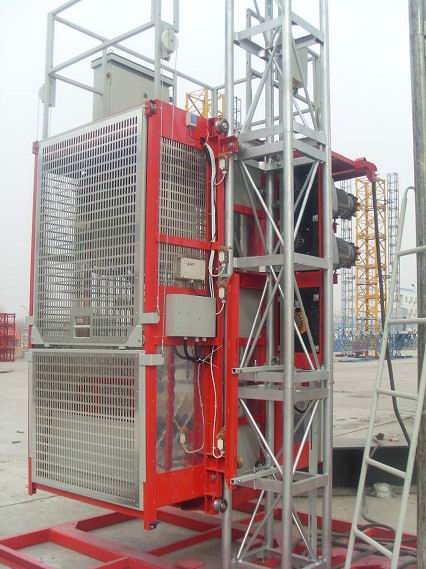
Building hoist
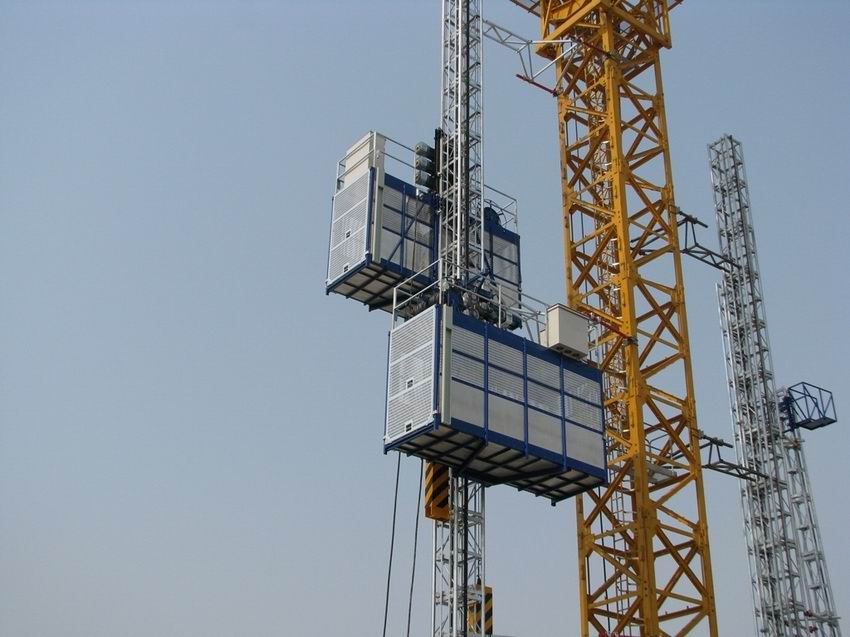
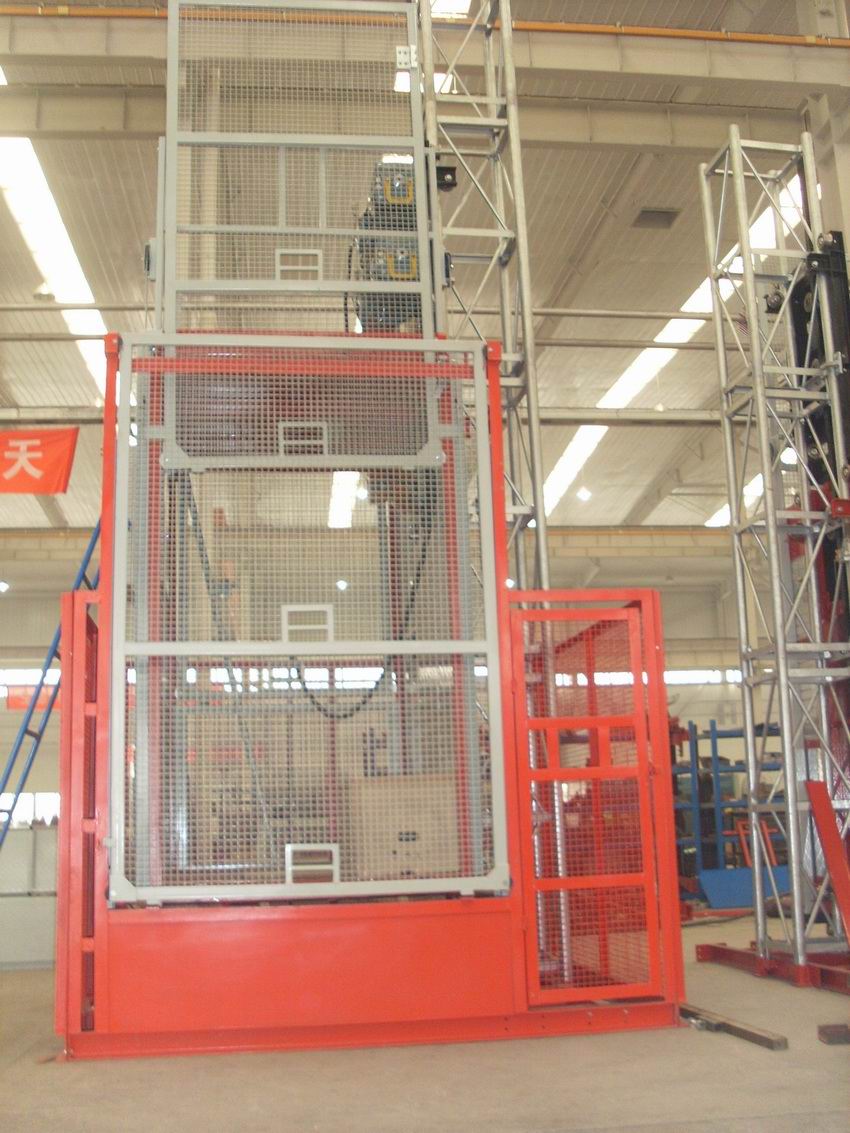
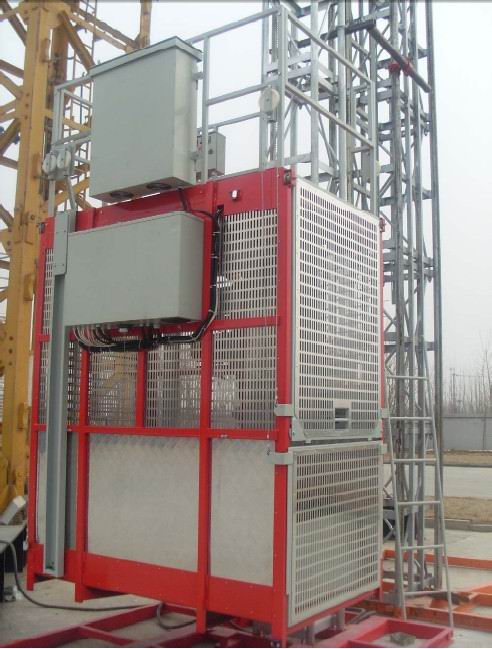
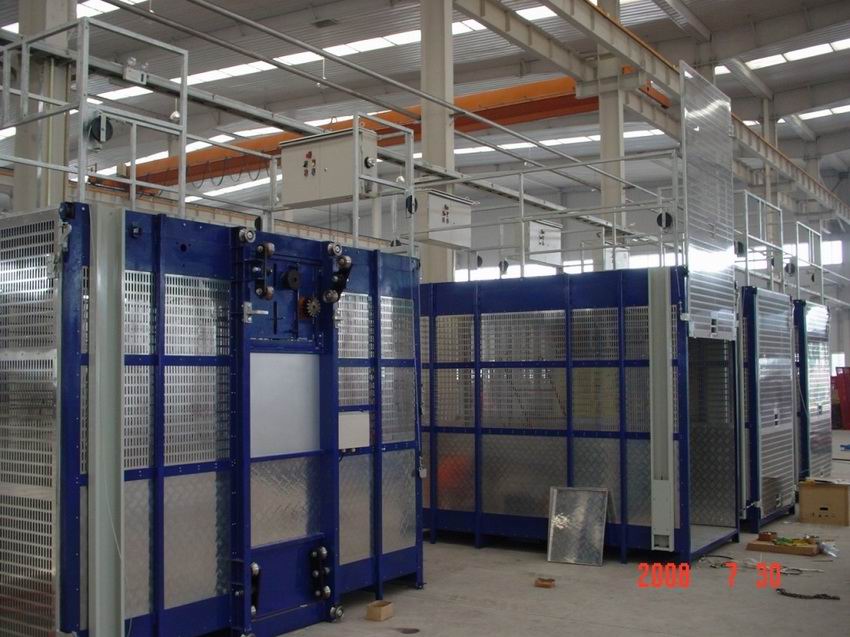
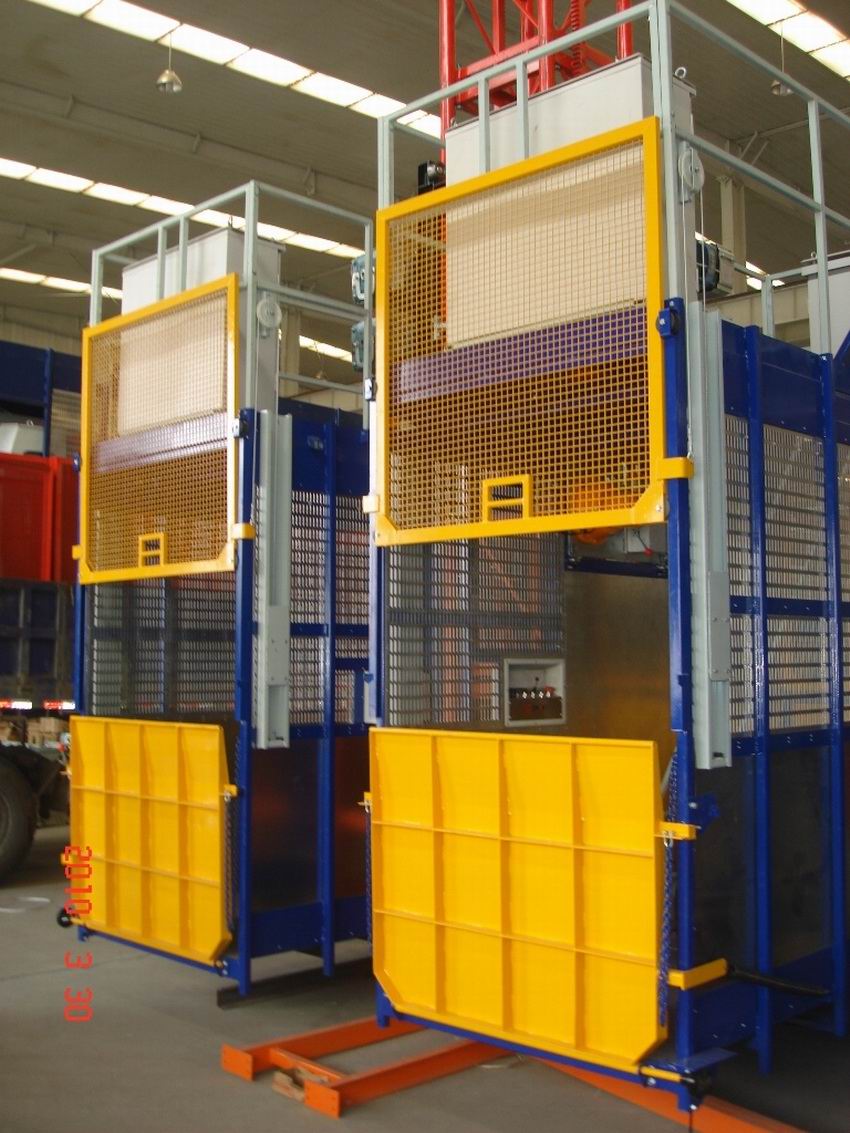
Building hoist is a kind of vertical transportation equipment widely used in construction sites. It is mainly used to carry people and goods in construction scenes such as high-rise buildings, bridges, chimneys, etc. It is also called building hoist, outdoor elevator or passenger and cargo elevator.
Main features and functions
Definition and use
building hoist is a temporary installed mechanical equipment with a guided platform or cage, which can stop at each floor of the construction site. It is mainly used for the interior and exterior decoration of high-rise buildings, the construction of bridges and chimneys.
Structure and composition
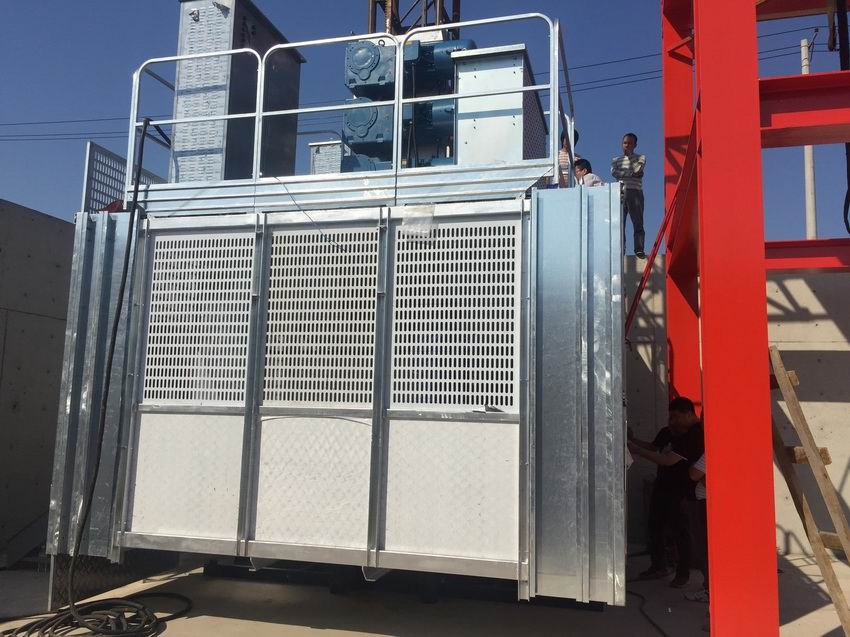
building hoists usually consist of the following parts:
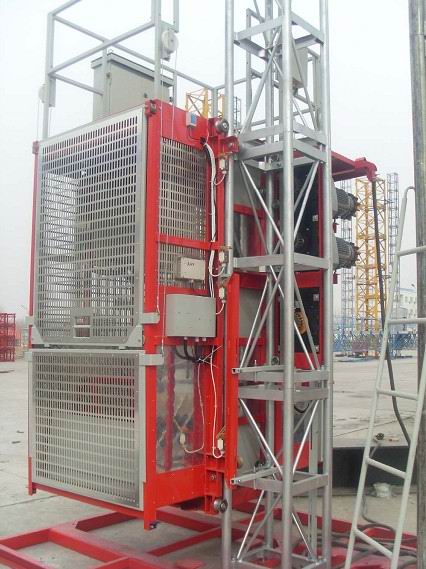
Car (cage): used to carry people and materials, usually a closed structure to ensure safety and comfort.
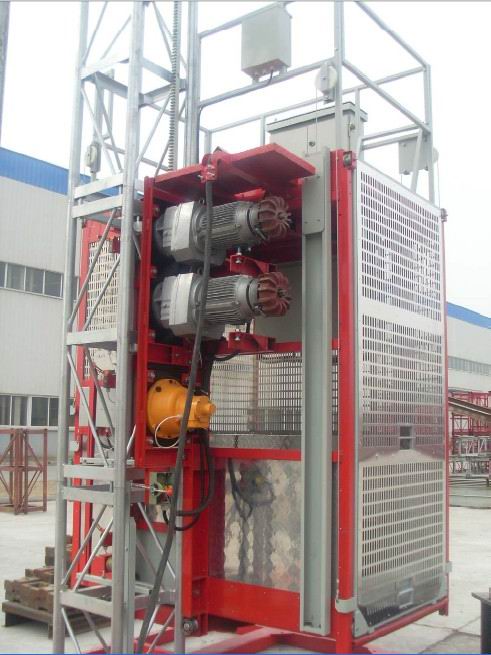
Drive mechanism: includes a gear rack or wire rope transmission system to drive the cage up and down.
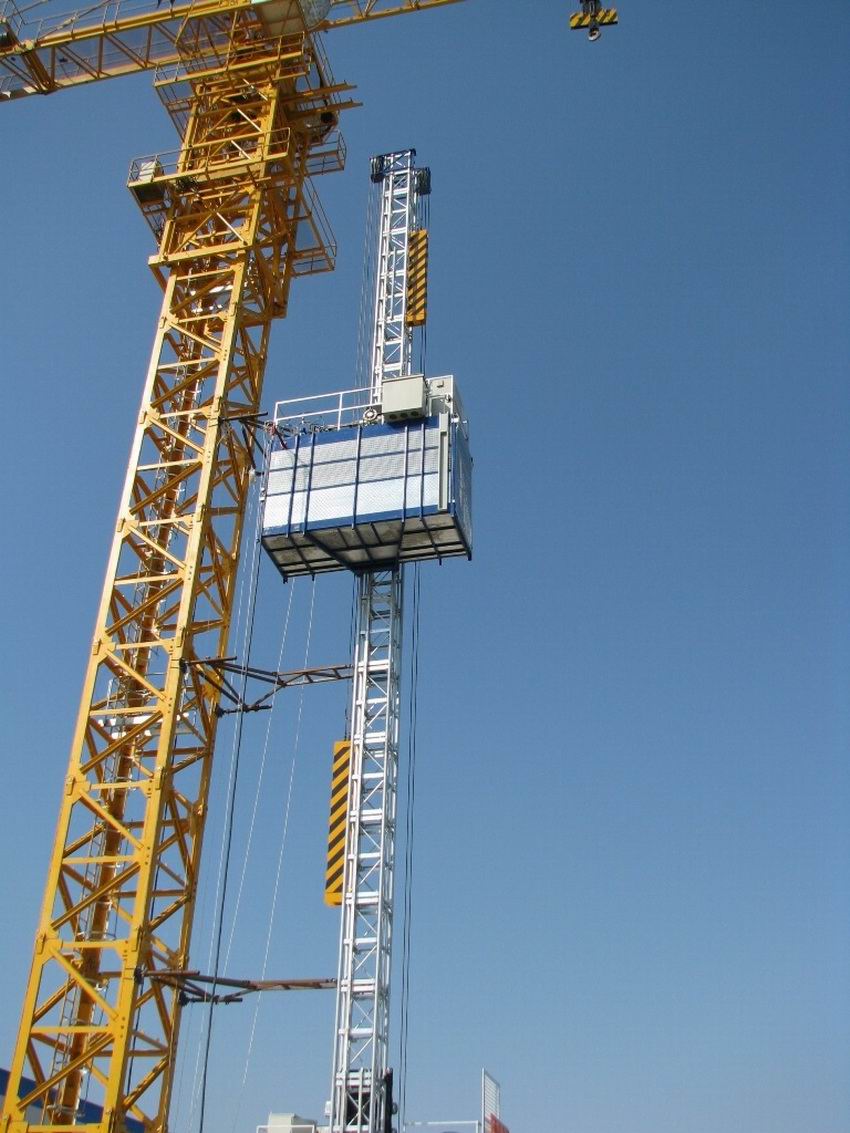
Standard section and guide frame: It is spliced by standard sections, serving as the track for the cage to run, and is fixed to the building through a wall frame.
Bottom cage and protective fence: used to support the guide frame and prevent unauthorized personnel from entering the work area.
Classification
Construction hoists can be divided into the following types according to the transmission mode:
Rack and pinion type: The cage is driven by the meshing of the gear and the rack.
Wire rope type: The cage is lifted by the wire rope.
Hybrid type: Combining the two transmission modes of rack and pinion and wire rope.
Performance parameters
Load capacity: Generally 0.3-3.6 tons, some models can reach 10 tons.
Operating speed: 1-96 meters/minute.
Installation height: The standard height is 150 meters and the maximum can reach 850 meters.
Safety device
Construction hoists are equipped with a variety of safety devices, such as limiters, anti-fall safety devices, door interlocking devices, etc., to ensure safe operation.
Application scenarios
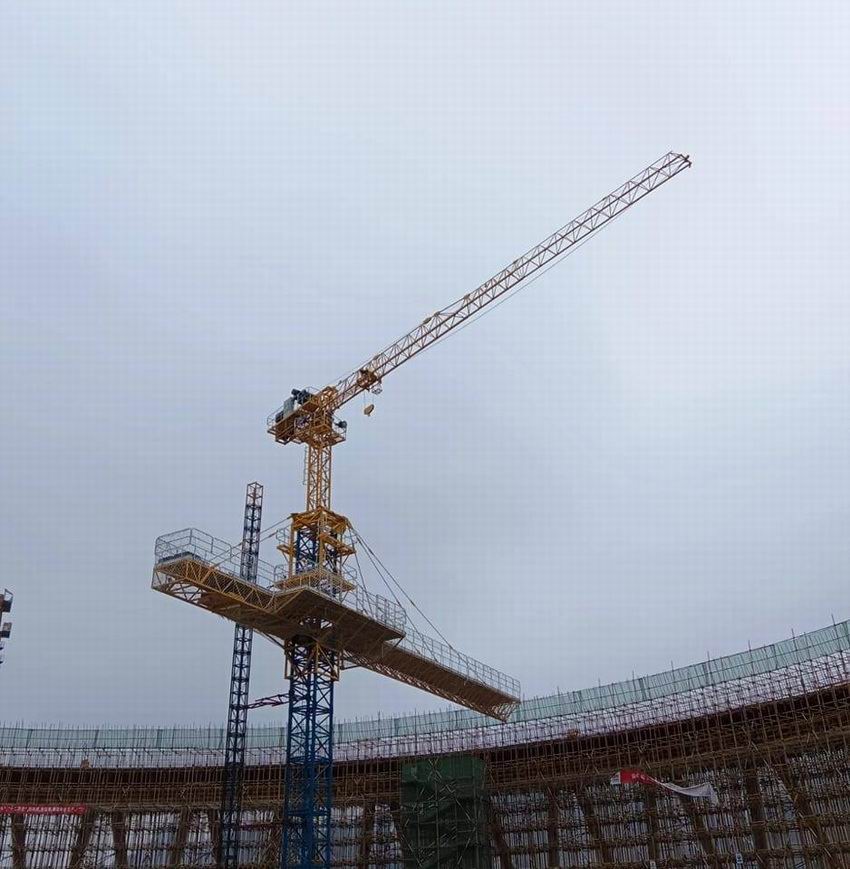
Construction hoists are mainly used for the construction of high-rise and super-high-rise buildings, especially in scenarios where it is difficult to complete operations using a well frame or a gantry frame. It is usually used in conjunction with a tower crane to improve construction efficiency.